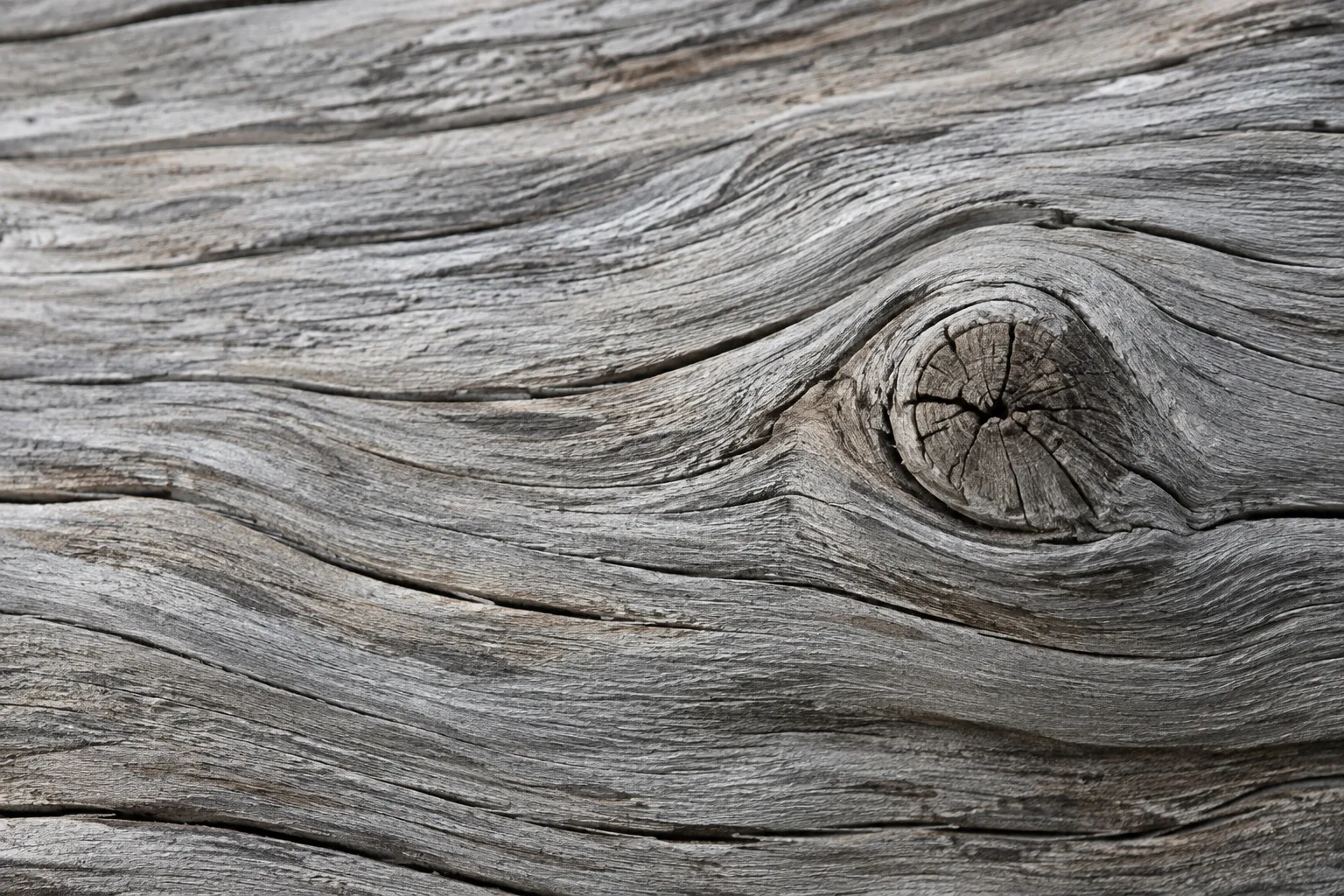
Repeat the viewpoint, light and context—not just the subject.
Establish a station
Choose a fixed feature that lets you stand in the same place: a paving joint, window edge or marked viewpoint on a plan. Photograph both the whole assembly and a repeatable close view. Keep the original file rather than only a cropped social-media copy with unknown processing.
Record the conditions
Write down the date, visible surface wetness, lighting and any recent work. Automatic phone processing can change contrast and colour between images. A neutral reference card may help document the scene, but a casual photograph is not a calibrated laboratory colour measurement.
Use the images as evidence of observations
Arrange comparison images with their dates and notes. Do not put a calendar interval under a generated scene or use different installations as an unlabeled time sequence. If one reference is a design inspiration, say so in the project record. The journal keeps observation and expectation separate.
- Wide view plus detail
- Repeat angle and distance
- Retain date and surface condition
Evidence & scope
Surface weathering research (2020), not a forecast for a supplied board or a structural assessment.
Original planning guidance. References support their stated technical scope; examples and workflows do not establish product approval.