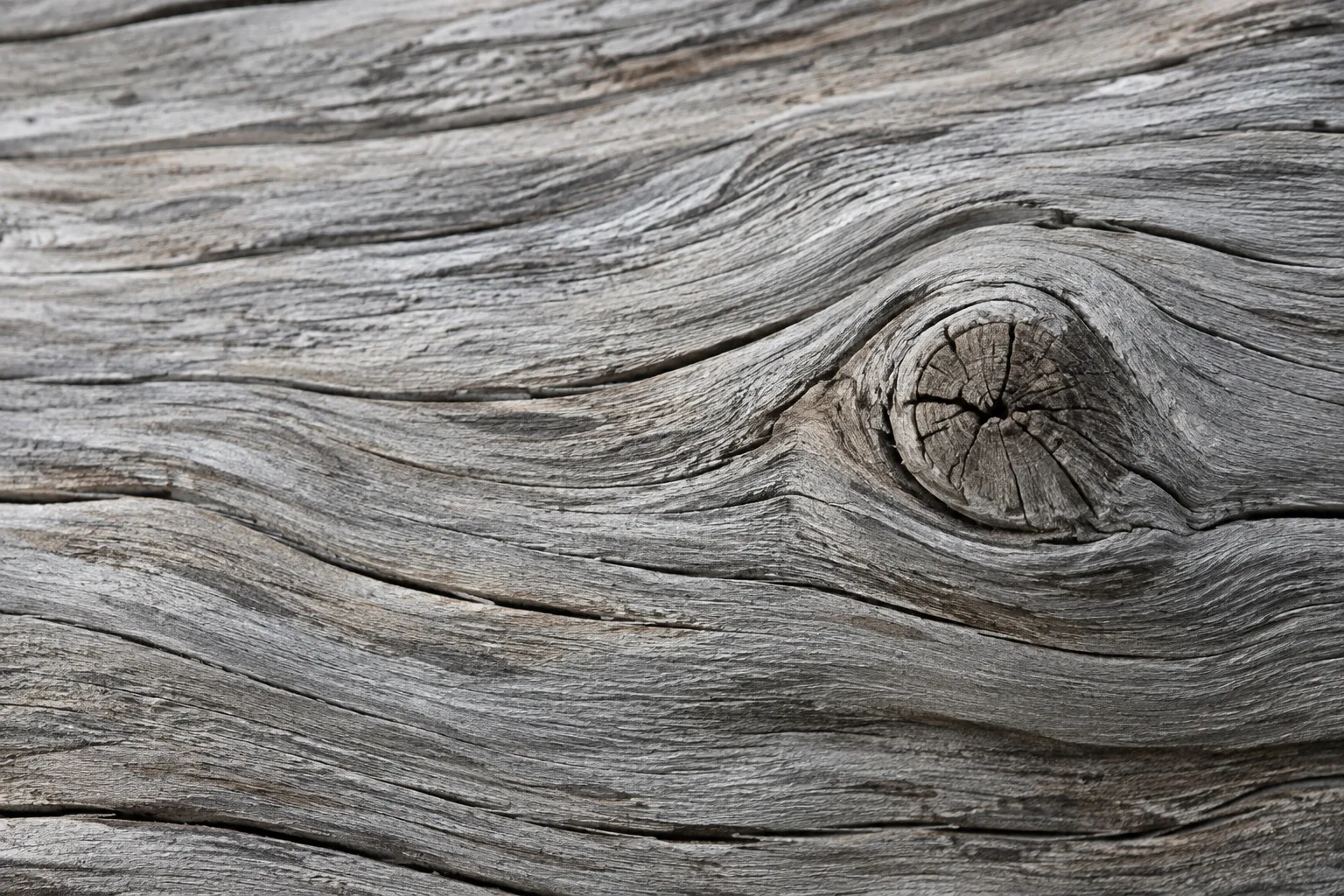
Describe visible changes without turning them into a safety diagnosis.
Use precise observation words
Distinguish a visible line, a raised fibre, a loose fragment and a soft area rather than calling them all weathering. Note location and approximate extent without probing, cutting or loading the member. A photograph with a scale reference can document size when it can be made safely.
Separate comfort and integrity questions
A rough walking surface and a suspected structural problem require different responses. Do not use a colour guide to clear either concern. Where there is a possible safety issue, stop using the affected area as appropriate and seek qualified assessment; this publication does not supply acceptance thresholds.
Track the same location
For a non-urgent appearance observation, record whether the feature changes in later comparable views. Keep any professional findings with the record so observations are not mistaken for conclusions. Avoid claiming a crack depth or internal condition that the photograph cannot show.
- Locate the feature
- Record observed—not inferred—condition
- Escalate safety concerns separately
Evidence & scope
Surface weathering research (2020), not a forecast for a supplied board or a structural assessment.
Original planning guidance. References support their stated technical scope; examples and workflows do not establish product approval.